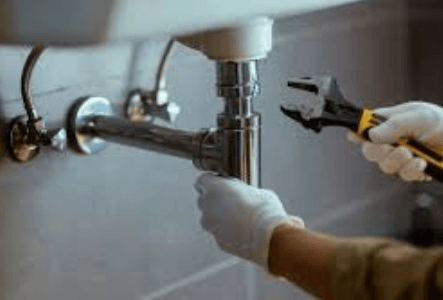
Regular inspection of plumbing fixtures helps spot early warning signs such as worn seals, corrosion, and mineral buildup. Quick-fix maintenance can prevent leaks by tightening valves and replacing seals before drips worsen. Simple cleaning and routine care extend fixture life, while durable tools and proven products support lasting results. Maintenance requires disciplined shutoffs and timely minor repairs. The approach is practical and steady, and it sets the stage for safer, more durable operation—yet the next steps demand closer attention.
Inspect Your Fixtures for Early Warning Signs
Regular inspections of plumbing fixtures are essential to detect early warning signs that precede leaks or failures. The approach is precise and methodical: inspecting seals for wear, monitoring corrosion, noting chlorine buildup, and identifying mineral deposits. Each observation informs maintenance decisions, emphasizing proactive action over reaction. A disciplined routine empowers owners to safeguard systems and sustain freedom from unexpected interruptions.
Prevent Leaks With Quick-Fix Maintenance
Preventing leaks hinges on swift, targeted maintenance that forestalls escalation. Quick-fix actions prioritize valve tightness, seal replacement, and prompt drip diagnosis, reducing escalation risk. The approach emphasizes routine checks, disciplined shutoff use, and immediate minor repairs to stop moisture advance.
Cultivate drip free habits and curb rust risks through timely lubrication, corrosion-resistant materials, and documented maintenance intervals for all fixtures.
Extend Life With Simple Cleaning and Care
Simple cleaning and care extend the life of plumbing fixtures by removing buildup and minimizing wear. Systematic routines preserve function and reliability. An inspector should inspect fixtures regularly, noting corrosion or leaks. Establish cleaning routines that target mineral deposits and biofilm without harsh agents. Precise maintenance reduces failures, supports efficiency, and extend life with simple cleaning and care.
See also: The Rise of Encrypted Email
Choose Tools, Products, and When to Call a Pro
Selecting appropriate tools and products is essential to effective maintenance and repair. The piece emphasizes tool selection, prioritizing durable, purpose-built instruments and proven products with clear ratings. It advises evaluating product ratings and performance, aligning choices with maintenance scheduling and risk tolerance. When issues exceed capability, professional timing matters: know when to call a pro to prevent damage and ensure safe, durable results.
Conclusion
Regular maintenance hinges on disciplined observation and timely action. By inspecting fixtures for early warning signs, performing quick-fix maintenance to tighten valves and replace worn seals, and keeping surfaces clean to prevent mineral buildup, one preserves reliability and extends life. Choosing durable tools and proven products, while documenting intervals, minimizes escalation. If issues exceed quick repairs or involve complex plumbing, professional intervention ensures safe, durable results. Consistent care reinforces drip-free operation and long-term system integrity.
